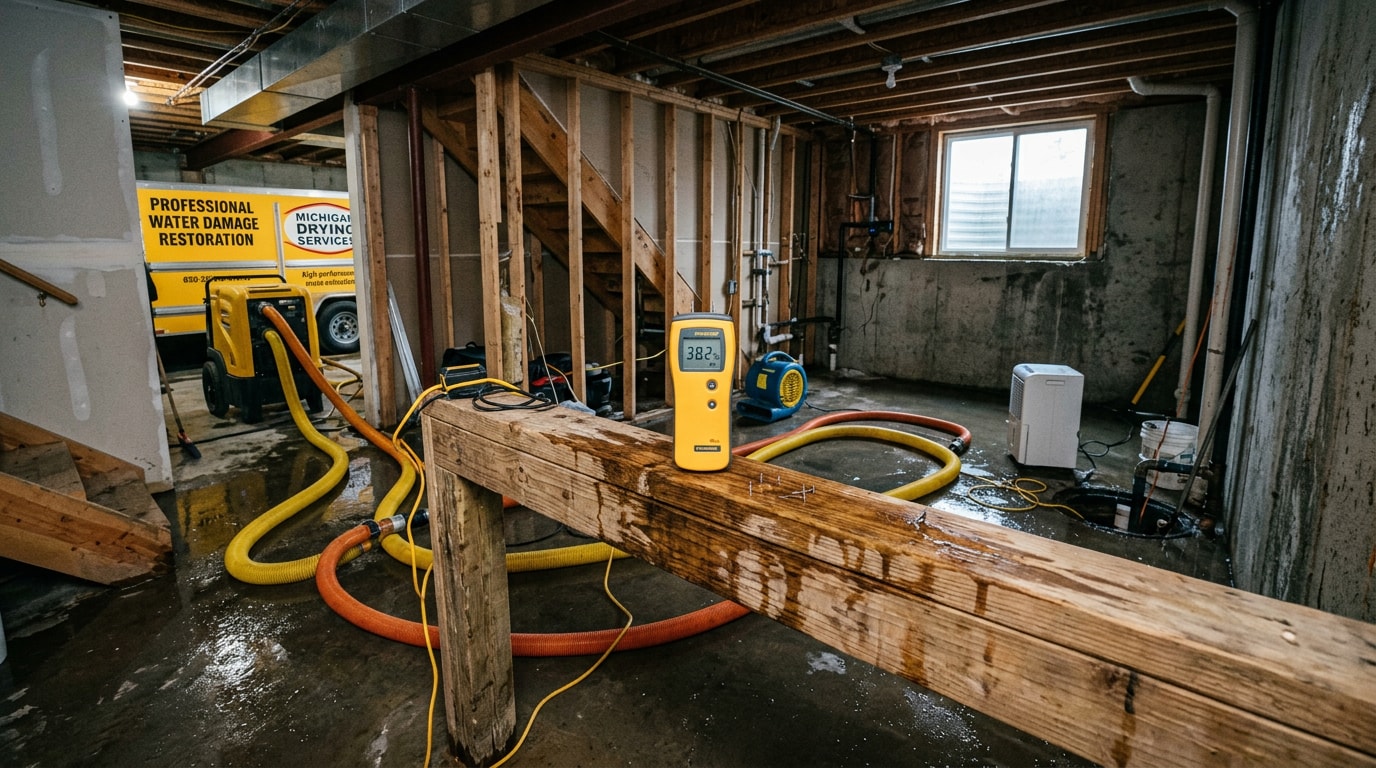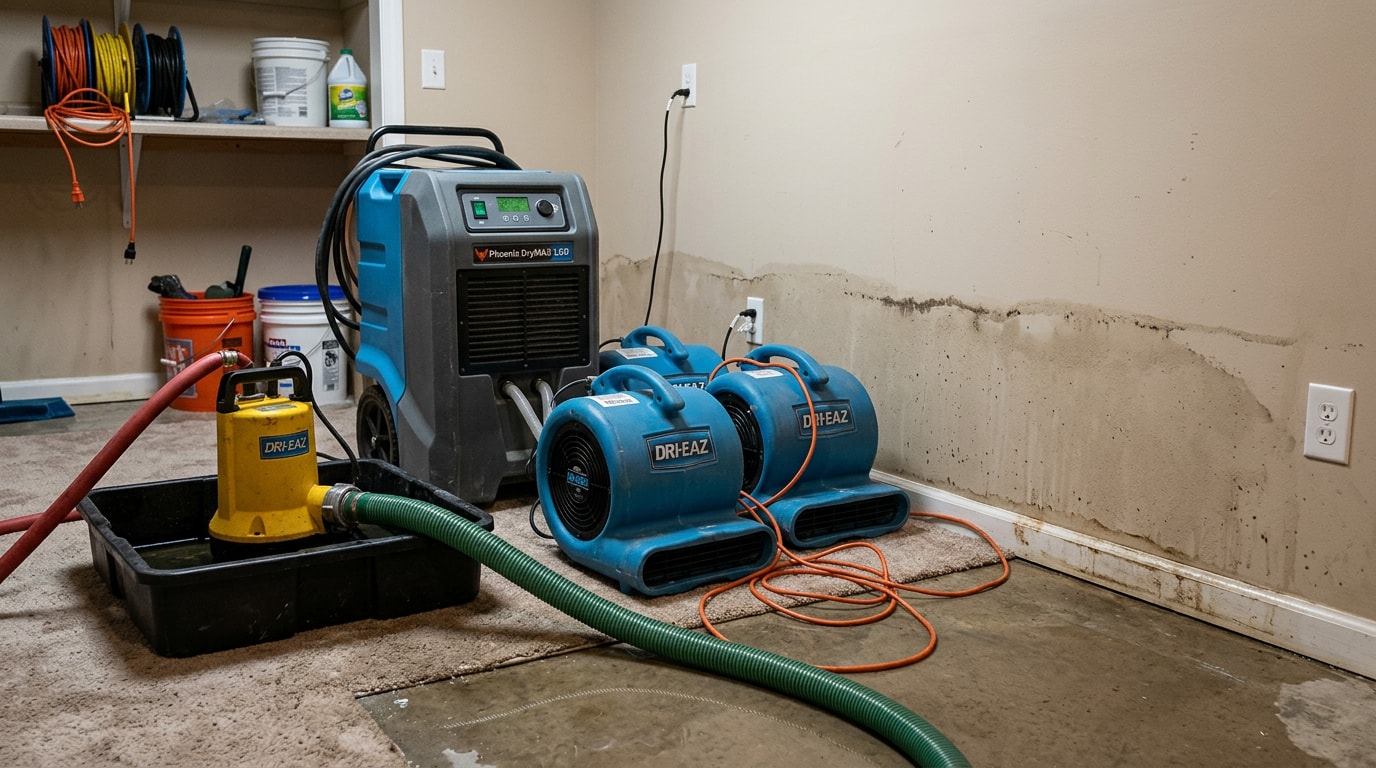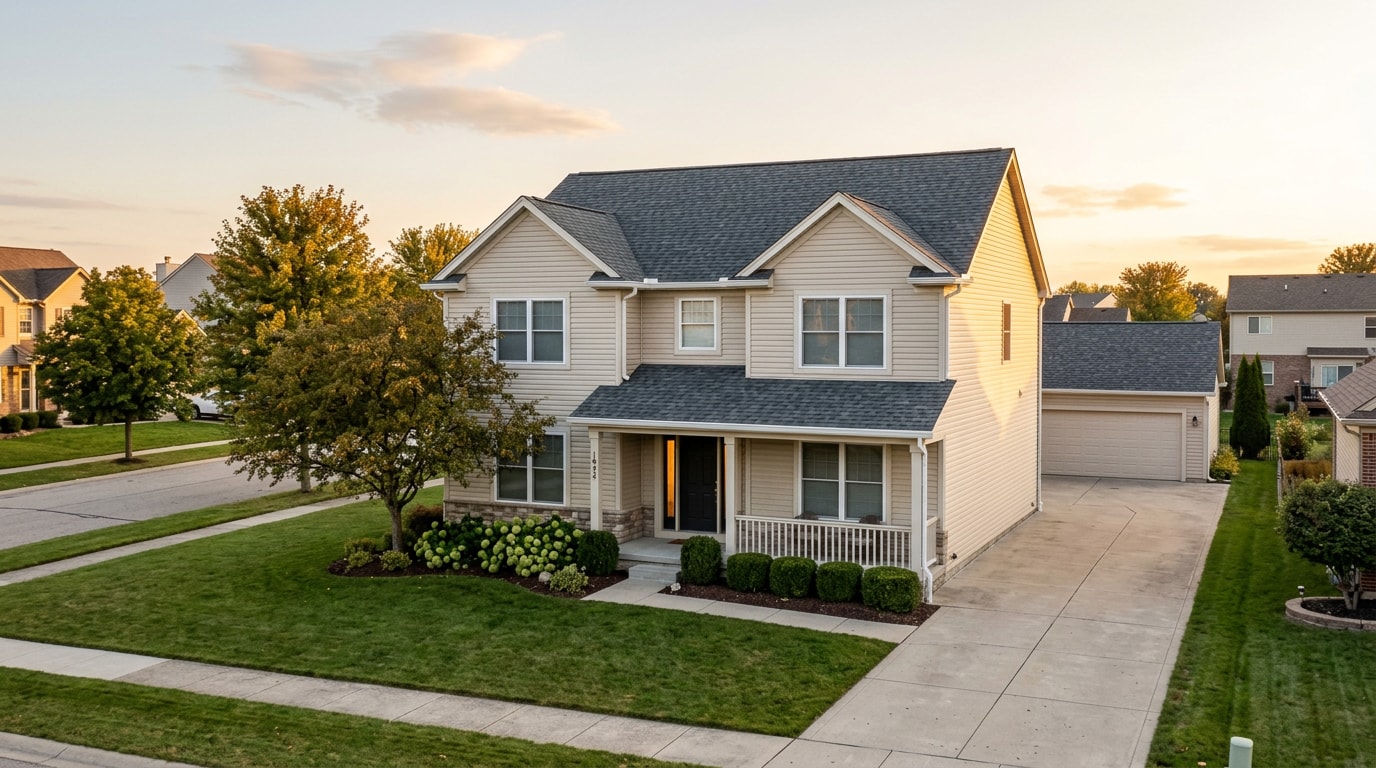
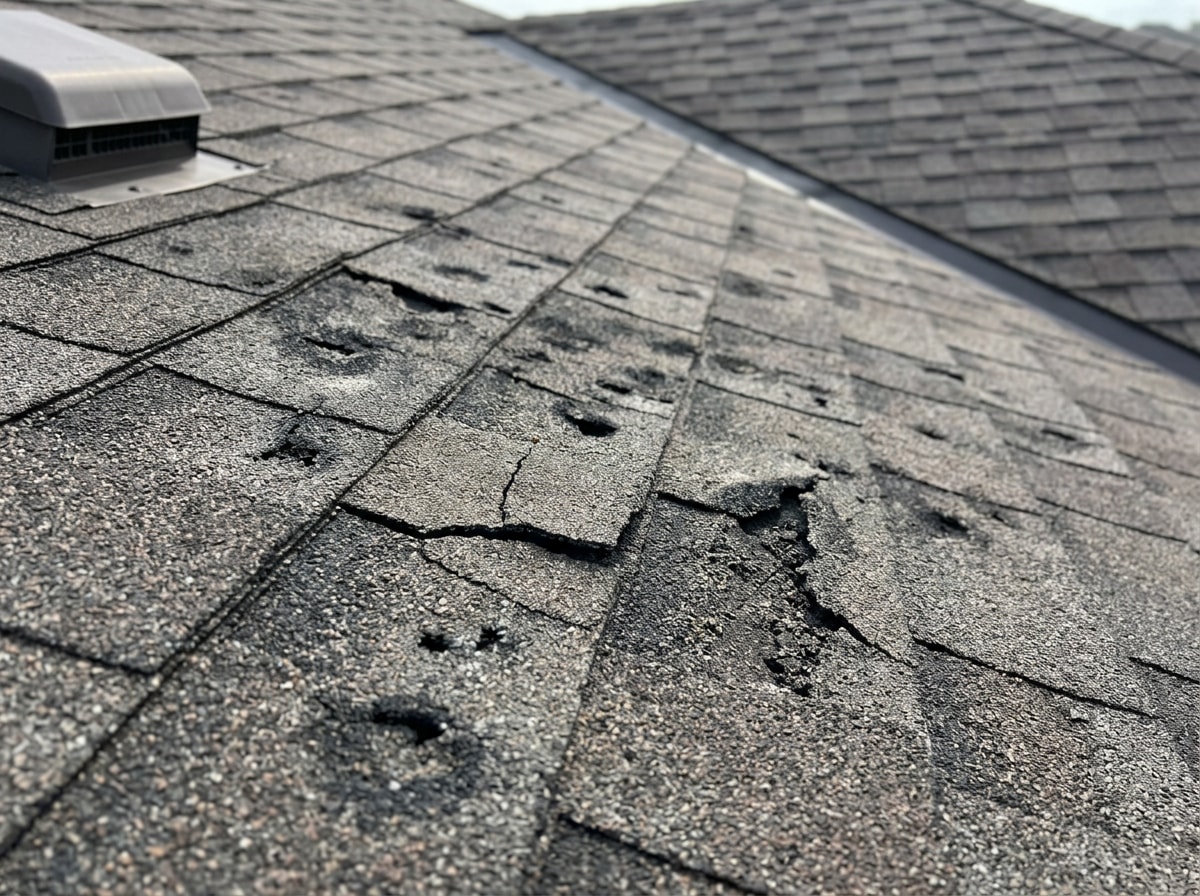
Searching for home restoration companies near me Macomb County usually means something already went wrong: a tree limb through the roof, a sump pump that quit during a July downpour, or hail dents you noticed the morning after a storm. The right contractor shows up fast, documents the damage the way your insurance adjuster needs it documented, and fixes the actual problem instead of just the visible part. Here's how to tell the difference before you sign anything.
What "Home Restoration Company" Actually Covers in Macomb County
The term gets used loosely, and that's part of the confusion. Most Macomb County homeowners searching this phrase actually need one of two overlapping specialties.
The first is storm damage restoration: roof, siding, gutter, and window repair after wind, hail, or a fallen tree, usually tied to an insurance claim. The second is water and mold mitigation: extraction, structural drying, and mold remediation after a flood, pipe break, or sewer backup.
Some companies, including Hailstorm Pros, focus on the exterior storm-damage side of restoration, roofing contractor services, siding, gutters, and windows, paired with insurance claim assistance. If your damage is primarily interior water intrusion, our breakdown of affordable water restoration in Macomb County walks through what that process looks like and what it typically costs. Many losses involve both, which is exactly why the checklist below matters before you pick anyone.
How to Choose a Home Restoration Company: A 6-Point Checklist
Run through this before you sign a contract. Each item takes under a minute to confirm.
- Verify Michigan licensing. Residential construction and alteration work over $600 requires a LARA Residential Builder or Maintenance & Alteration license.
Michigan's licensing threshold is $600 for residential work, and any residential construction or alteration above that value requires a LARA Residential Builder or M&A Contractor license. Confirm this directly on the LARA licensing section before signing anything.
- Match the specialty to the damage. A roofing and siding crew isn't the same as a water mitigation company, and vice versa. Ask what percentage of their work is storm-exterior versus interior mitigation.
- Ask who handles the insurance claim. Does the company meet your adjuster on-site, write a matching scope of work, and document pre-existing condition versus storm damage? Or are you managing that paperwork alone?
- Get a response window in writing. Text or email, not just a verbal promise. "24/7" should mean a live dispatcher, not a voicemail that gets returned the next morning.
- Confirm reconstruction is in-house. A split between the company that tears out damaged material and the one that rebuilds it means two bids and two timelines.
- Read reviews for patterns, not stars. A handful of reviews mentioning fast arrival, accurate estimates, and clear communication tell you more than a high average with vague comments.
Verifying these six items before you hire filters out companies that sound good on the phone but can't back it up once the contract is signed. If you'd rather skip the legwork, get a free estimate and we'll walk through your specific damage with you.
Michigan Storm Claim Deadlines Homeowners Get Wrong in 2026
This is the part most comparison guides skip, and it's costing homeowners money.
Macomb County has had an active storm year. On Thursday, September 3, 2026, the NOAA Storm Prediction Center confirmed 36 severe weather reports in Michigan, including 33 wind damage reports with gusts up to 66 MPH and 2 confirmed tornadoes, with Macomb and Oakland among the affected counties. Events like that generate a wave of roof, siding, and gutter claims, and insurers scrutinize timing closely.
After any storm event, the Michigan Department of Insurance and Financial Services advises homeowners to carefully review their insurance policies and work with their agent or insurance company to file a claim. Two obligations matter most:
- Notify your insurer promptly.
Policyholders are responsible for notifying their insurance company or agent as soon as possible after a loss.
- Protect the property from further damage.
Anyone impacted by storm damage should take steps to protect the property and prevent further loss if it's safe to do so, keeping receipts for any supplies purchased for that protection.
On the insurer's side, your insurance company must tell you within 30 days of filing your claim what information is needed to process it. If that timeline slips, DIFS is the agency to contact.
One more thing worth flagging: storm cleanup season also brings scammers. A DIFS director has warned that "Michigan has experienced widespread severe weather events recently," making contractor fraud awareness especially important after storms. Check licensing before you pay anyone a deposit, and never let a door-knocker pressure you into signing on the spot.
Not sure if your roof, siding, or gutters qualify for a claim? Our insurance claim roof assistance team can do that assessment alongside your adjuster.
Storm Damage vs. Water Damage: Matching the Specialist to the Job
These two damage types look similar from the yard but need different crews, equipment, and timelines.
| Storm Damage Restoration | Water & Mold Mitigation | |
|---|---|---|
| Typical cause | Wind, hail, fallen trees, ice dams | Burst pipes, flooding, sewer backup, sump failure |
| Primary work | Roof, siding, gutter, window repair/replacement | Extraction, structural drying, dehumidification |
| Key equipment | Tarps, shingles, siding panels, flashing | Pumps, air movers, moisture meters |
| Insurance path | Named-peril wind/hail claim | Often separate water damage endorsement; flood requires NFIP |
| Urgency driver | Secondary leaks worsen with each rain | Mold risk within 24-48 hours of standing moisture |
If mold has already started because water sat too long, the cleanup standard matters. The key to mold control is moisture control , according to EPA's guidance, which also notes porous materials that can't be fully dried should generally be discarded rather than treated. Review the EPA's mold cleanup guidance before deciding what's salvageable.
For the exterior side, our roofing contractor, siding contractor, gutter service, and window installation service pages break down repair versus full replacement for each trade.
What to Do in the First 24 Hours After Storm or Water Damage
Order matters here. Safety first, documentation second, repairs last.
- Check for immediate hazards — downed lines, sagging ceilings, exposed wiring near water.
- Shut off water or power to the affected area if you can do it safely.
- Photograph everything before you move or discard anything.
- Make temporary protective repairs — tarping a roof, covering a broken window — and keep every receipt.
- Call your insurer to open the claim.
- Call a licensed restoration contractor to assess scope and begin mitigation; you don't need a claim number to start this step.
Steps 4 and 5 both tie back to your policy. Taking reasonable action to minimize the loss or damage, such as boarding up or covering damaged property, is a standard policyholder responsibility that insurers expect before the adjuster arrives.
How Much Does Home Restoration Cost in Macomb County in 2026?
These are general planning ranges, not quotes. Actual pricing depends on material choice, square footage, and the extent of hidden damage found once work starts.
| Project Type | Typical Scope | Estimated Cost Range |
|---|---|---|
| Roof repair (storm damage) | Shingle/flashing repair, small leak areas | $400 - $1,800 |
| Roof replacement | Full tear-off and reroof, asphalt shingle | $9,000 - $22,000+ |
| Siding repair | Panel replacement, storm impact spots | $500 - $2,500 |
| Siding replacement | Full elevation or whole-home residing | $8,000 - $20,000+ |
| Gutter repair/replacement | Sections, downspouts, full system | $300 - $4,500 |
| Window repair/replacement | Per-unit repair to full replacement | $250 - $1,200 per window |
| Water mitigation (minor to moderate) | Extraction, drying, 1-2 rooms | $1,200 - $10,000 |
Many of these costs are partially or fully covered when the damage is storm-related and documented promptly. Our insurance claim siding assistance and insurance claim gutter assistance teams handle the adjuster paperwork so the estimate matches what's actually owed.
Local Conditions That Affect Restoration Scope
Macomb County's mix of older subdivisions and lake-effect storm patterns means jobs here don't always match a generic national guide.
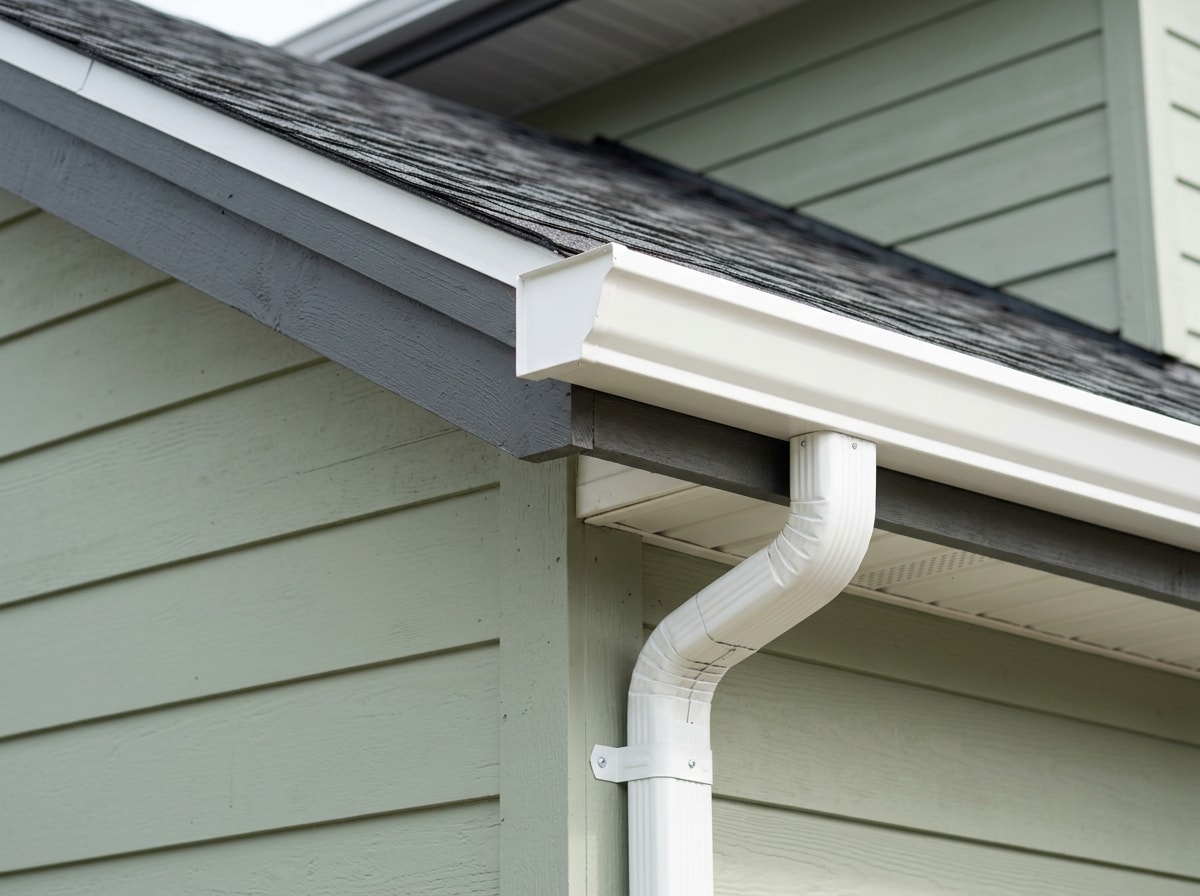
A 1970s ranch in Sterling Heights behaves differently during a wind event than a newer build in Clinton Township, often because of older roofing underlayment or fascia that's already brittle. Mount Clemens and areas near the Clinton River see additional strain on gutters and drainage after heavy rain, which can turn a simple gutter repair into a full system replacement once standing water finds its way under the fascia board.
If you're unsure which category your damage falls into, check our Macomb County service area page for a closer look at how local weather patterns shape typical repair scope.
Comparing Types of Restoration Providers in Macomb County
Rather than naming specific businesses, which change hours, staffing, and certifications often enough that any "top 5" list goes stale within months, here's how to evaluate the categories you'll actually encounter.
| Provider Type | Typical Response Time | What to Verify | Reconstruction Included |
|---|---|---|---|
| National brand, local branch | Often under 60 minutes via call center | License per technician, local crew availability | Usually through partner contractors |
| Regional storm/exterior specialist | 30-90 minutes depending on crew location | LARA license, insurance claim experience | Often yes, in-house |
| Local independent contractor | Varies; confirm directly | License, insurance certificate, references | Sometimes; confirm before hiring |
| Water mitigation specialist | Should be 24/7 dispatch | IICRC certification, direct insurer billing | Rarely for exterior storm repairs |
For water mitigation firms specifically, confirm certification status rather than taking a website badge at face value. An IICRC Certified Firm is a business that employs one or more IICRC Certified Technicians who have completed certifications covering inspection, cleaning, and restoration specialties. You can verify any firm's certification directly through IICRC before hiring.
FAQ
Does 24/7 service mean a company will arrive immediately?
Not necessarily. 24/7 usually means someone answers the phone around the clock. Actual arrival time depends on crew location and current call volume, so always ask for an estimated arrival window, not just confirmation that the line is staffed.
Should I get more than one restoration estimate?
For contained, non-urgent damage, a second estimate is reasonable and helps confirm fair pricing. During active leaks or flooding, speed matters more than comparison shopping; waiting days for multiple quotes while water spreads usually costs more than any price difference would save.
How long do I have to file a storm damage insurance claim in Michigan?
There's no single statewide deadline written into law, but policies require prompt notice. Policyholders are responsible for notifying their insurance company or agent as soon as possible if they have a claim. Waiting months makes it harder to prove the damage came from a specific storm and not gradual wear.
Does homeowners insurance cover hail and wind damage in Michigan?
Usually yes, as a named peril under standard dwelling coverage. Flood damage is different. Most types of storm damage are covered by homeowners and renters insurance, but flood damage is typically not covered unless you've purchased federal flood insurance, and water or sewer backup is also not automatically covered under a standard policy. Check your declarations page or ask your agent directly.
What's the difference between a restoration company and a general contractor?
A restoration company specializes in repairing damage from a specific event, storm, fire, or water loss, often working directly with your insurance adjuster. A general contractor may handle that same rebuild work but isn't necessarily set up for emergency response, claim documentation, or temporary protective repairs like tarping and board-up.
When should I call a professional instead of handling it myself?
Call a professional for any standing water, visible mold, sewage backup, missing shingles, or exposed sheathing. These situations usually involve either contamination risk or structural exposure that gets worse with every day of delay. If you're dealing with storm damage to your roof, siding, gutters, or windows in Macomb County, get a free estimate and we'll assess the scope before you file your claim.